Midtown East: Grand Central to Park Avenue
Best compressed sequence for Beaux-Arts monumentality, Deco adjacency, and corporate modernism in one walk.
Page Title
Page Overview
A district-led Manhattan architecture guide for landmarks, elevated viewpoints, and the research sources that make field study more coherent.
Visual References
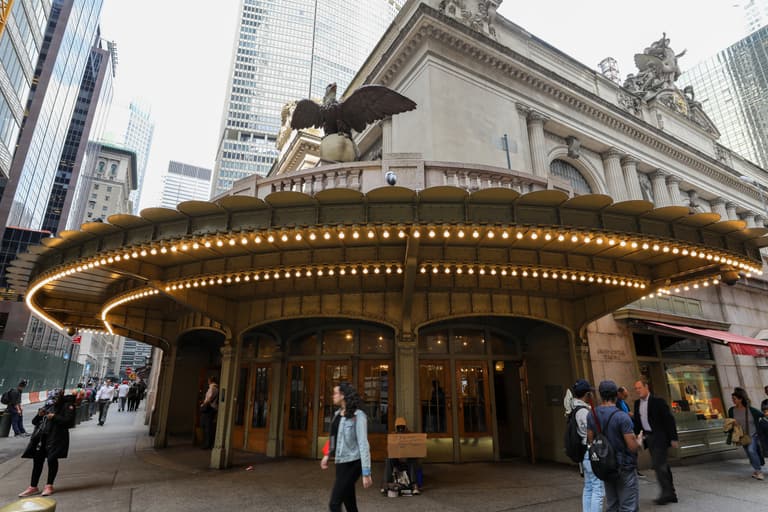
A strong Midtown anchor image for the civic and transit side of the Manhattan guide.
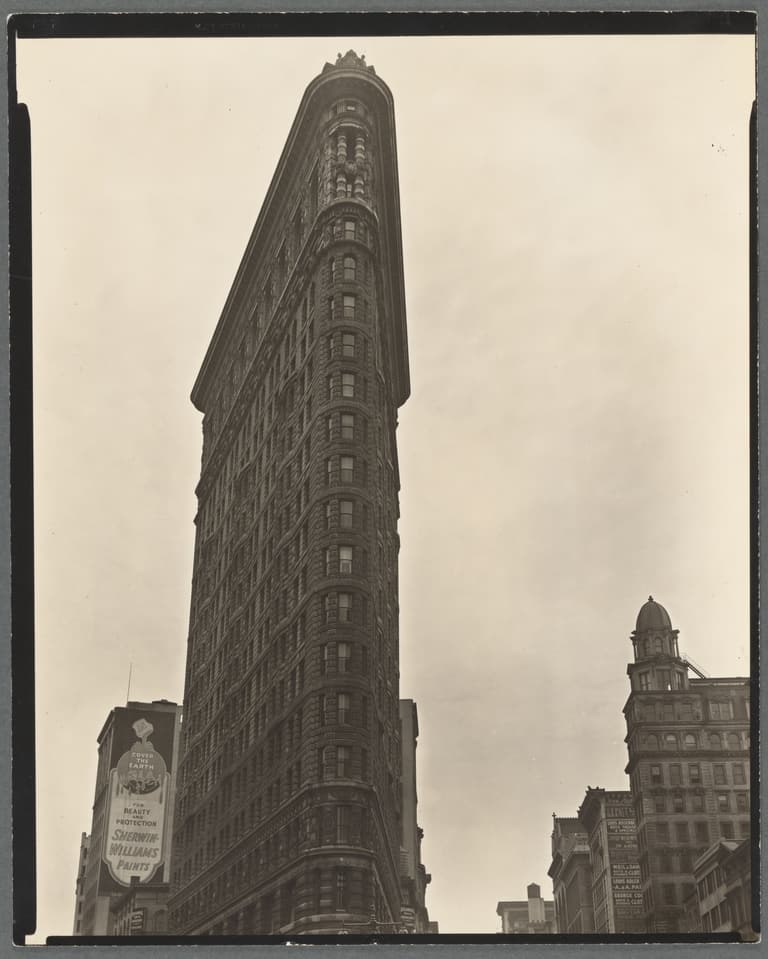
Useful as a shorthand for the wedge-building and early-skyscraper sequence in Midtown and Lower Manhattan research.
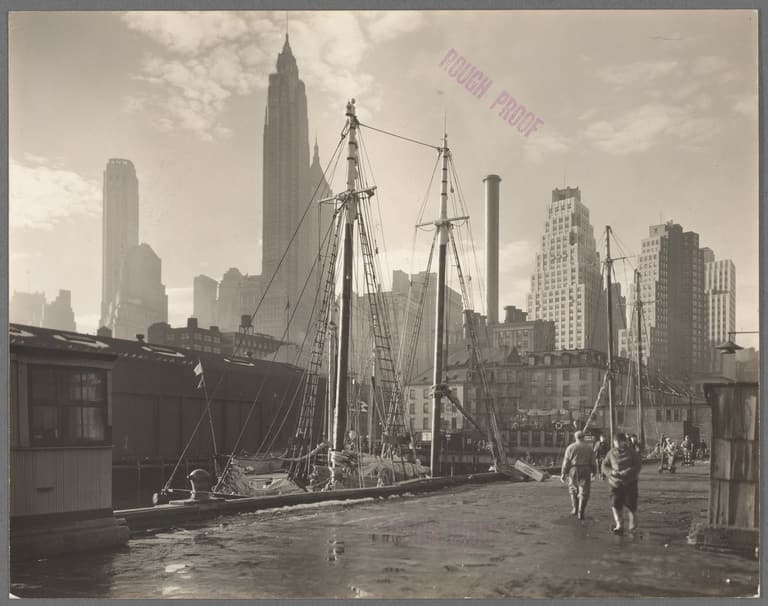
A docklands and lower-island reference that keeps the page from drifting into a Midtown-only lens.
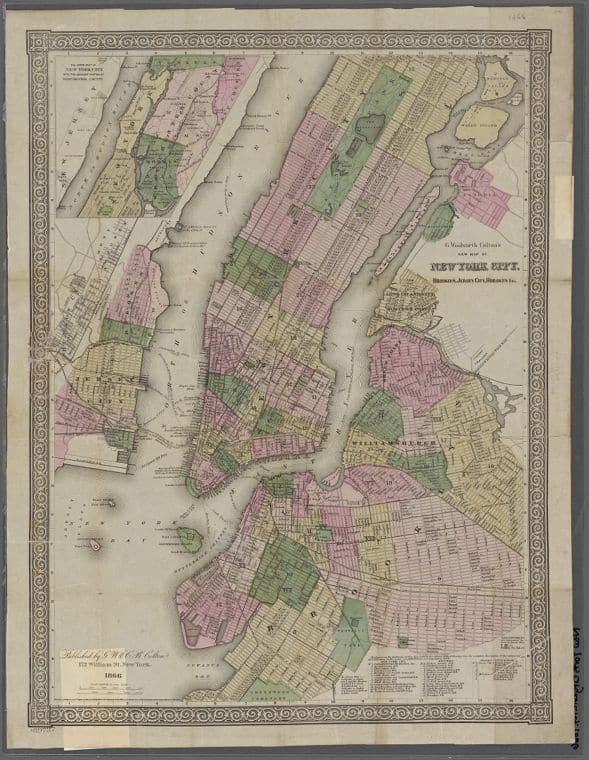
Useful for route logic, district adjacency, and understanding why elevated viewpoints matter on this page.
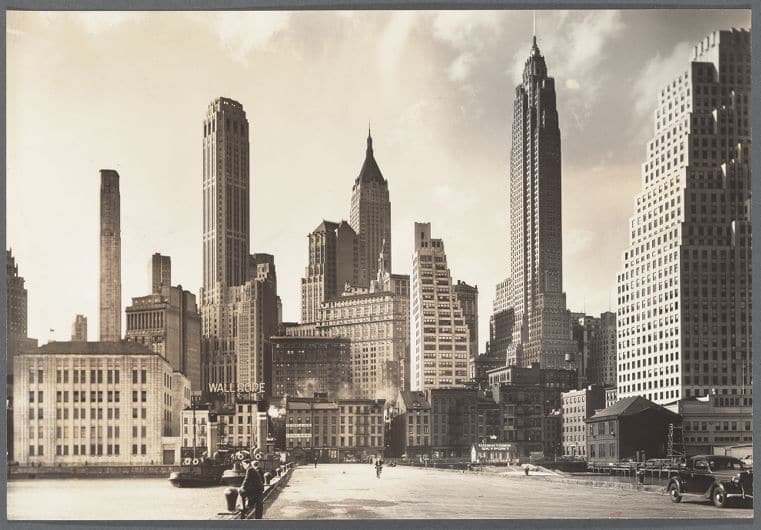
A skyline anchor for the page’s emphasis on towers, districts, and elevated city-form reading.
Priority Districts
Best compressed sequence for Beaux-Arts monumentality, Deco adjacency, and corporate modernism in one walk.
Rockefeller Center, Empire State, and Flatiron create the cleanest sequence for reading Manhattan’s Deco and early skyscraper identity.
Best for reading structural ambition, skyline origin stories, and the city as a vertical commercial system.
Best counterweight to skyline icons, with attention to ordinary blocks, immigrant history, lot patterns, and vernacular morphology.
Fifth Avenue monumentality, museum architecture, research collections, and architecture-landscape relationships.
Research Backbone
Landmarks
The primary public backbone for designation histories, landmark photos, and official architectural research starting points.
Tours
Best public-facing architecture tour ecosystem for Manhattan, from walking routes to building tours to boat-based skyline reading.
Archives
Strong for tax photographs, city records, and lower-Manhattan building-plan context.
Scholarly
Best for moving from field observation into archives, special collections, and specialized skyscraper interpretation.
Asset Sources
Open Access
High-confidence starting points for relatively reusable images, historical documents, and collection records.
Historic Records
Strong for measured drawings, historic photos, technical documentation, and architectural histories, with item-level rights still worth checking.
Conditional
Highly useful for research and downloads, but not blanket public-domain sources. Review collection or item-level conditions before reuse.
Commons
Good for breadth and contemporary building imagery, but always check file-level licensing and attribution terms.
Field Routes
Grand Central, Park Avenue modernism, Rockefeller Center, Top of the Rock, Empire State vicinity, and Flatiron make the cleanest first Manhattan sequence.
Day one for Midtown compression, day two for early skyscraper Manhattan, Lower East Side fabric, museum interpretation, and observatory-scale reading.
For understanding Manhattan as an infrastructural and waterfront object, the AIA New York boat tour is unusually strong.
Key Figures
Reed & Stem, Warren & Wetmore, Cass Gilbert, Richard Morris Hunt, and McKim, Mead & White help frame Manhattan before and through early skyscraper culture.
William Van Alen, Shreve Lamb & Harmon, and Ely Jacques Kahn are essential names for skyline identity, massing, and Manhattan office-tower character.
Mies van der Rohe, Philip Johnson, Gordon Bunshaft, Renzo Piano, Robert A.M. Stern, Calatrava, SHoP, and Diller Scofidio + Renfro help connect postwar and recent Manhattan.